Matrix Organizational Structure: Definition, Types, Pros & Cons
Let’s take a look at what exactly the matrix organizational structure is, where it came from, how it works, and its pros and cons.

The matrix organizational structure has been around for over four decades, and it's a favorite among businesses.
Why?
Because it strikes a unique balance between the traditional hierarchy-based organization and team-based collaboration.
So, let's unpack this a bit more.
What is a Matrix Organization?
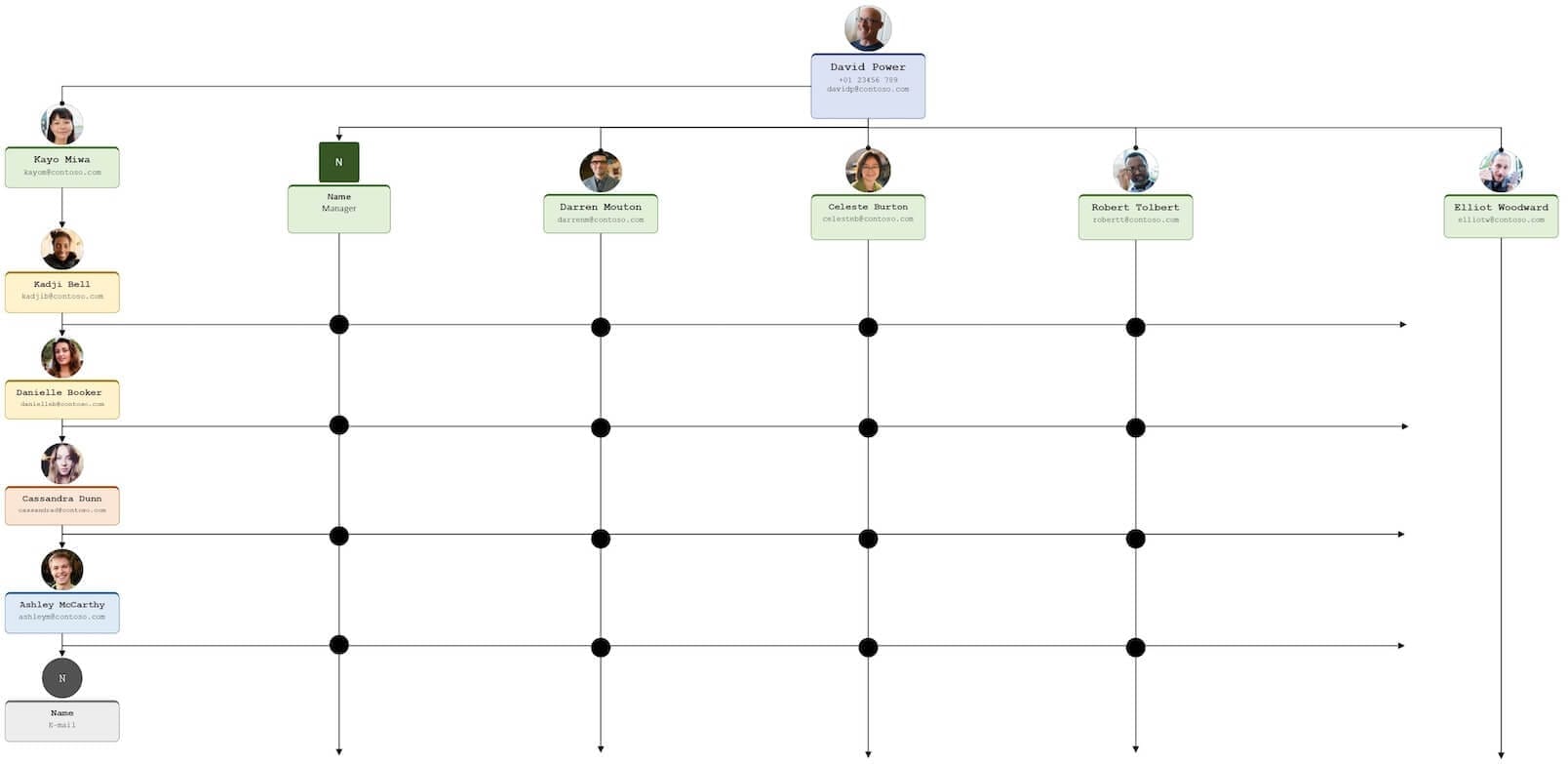
The matrix organizational structure is a bit of a hybrid. It borrows features from both traditional hierarchy-based management and team collaboration. Picture it as a grid with two distinct axes: the vertical hierarchy and the horizontal teams.
The vertical axis is your typical top-down management that exists in most organizations. The horizontal axis, on the other hand, consists of teams organized according to project or product lines.
The result?
A unique blend of both traditional hierarchical management and team collaboration.
The Origins of the Matrix Organizational Structure
The matrix organizational structure started to take shape in the late 1960s. As companies began to expand and go global, they needed a new way to structure their teams. Enter the matrix organization, which allowed businesses to maintain control over multiple departments while still having one clear leader.
Fast forward to the 1970s and 1980s, when big players like IBM and Xerox adopted the matrix structure to manage their global operations more effectively. And with the advent of technology, implementing this type of organizational structure has become even easier. Thanks to software like Slack and Asana, team members can communicate more easily, making multiple reporting lines a breeze.
But it's not all sunshine and rainbows.
The matrix structure, while popular, does come with its challenges. Communication between teams can be tricky to manage, and it can lead to confusion about who's responsible for what.
Advantages of a Matrix Organizational Structure
In the ever-changing business world, companies are always on the lookout for ways to maximize efficiency and increase profits. The matrix structure is one such way. It combines traditional functional and divisional structures, allowing for increased flexibility and improved collaboration.
Delegation of Authority
The matrix org structure shines when it comes to delegating authority across multiple departments and divisions. This leads to more efficient decision-making and encourages collaboration between departments.
Increased Efficiency
Matrix organizations are more efficient than traditional structures because they allow employees to specialize in specific tasks while still collaborating with other departments. This flexibility makes it easier for organizations to respond to changes in the marketplace.
Improved Communication
Matrix organizations also improve communication between different departments. This makes it easier for employees to collaborate on projects and reach out for help when needed.
Disadvantages of a Matrix Org Structure
Matrix structures can work well, but dual reporting creates a few common problems.
Complex chain of command and responsibility
With multiple managers involved, it’s often unclear who owns decisions and who has final approval. That can cause delays, conflict between managers, and confusion about where employees should go for help.
Lack of clear goals
When priorities come from more than one manager, goals can become mixed, inconsistent, or poorly communicated. The result is misalignment, wasted effort, and lower morale.
Harder performance evaluation
Reviews are tougher when outcomes are split across projects and managers. Without a clear process, feedback can be inconsistent and decisions on raises or promotions can feel unfair.
Types of Management for Matrix Organizational Structures
There are three main types of management for matrix structures. Each different type results in more or less authority to the team leaders or functional managers.
Let's have a look at the different types, seeing how authority shifts between team leaders and functional managers in each type:
The "Weak" Matrix Reporting Line
In a weak matrix structure, functional managers retain most of the power. Team leaders or project managers have limited decision-making autonomy and act more as coordinators. This can bottleneck communication as information gets lost between vertical and horizontal chains of command. Not ideal!
The "Balanced" Matrix Reporting Line
A balanced matrix organizational structure aims for an equal partnership between functional and team managers. Authority is shared, enabling collaboration and accountability. With open communication channels, project teams can progress smoothly under dual leadership. This equilibrium is the matrix structure "Goldilocks zone" that many aim for.
The "Strong" Matrix Reporting Line
Here team leaders and project managers wield greater authority, while functional managers take more of a backseat oversight role. Leadership is centralized around the project team for stronger ownership. The downside is that department heads lose influence over budgets, resources, and decisions.
So in summary, matrix organizational structures allow for versatile configurations of hierarchy. Where the balance of power lies determines how effectively project coordination and execution can occur. The "just right" balance depends hugely on the organization and its needs!
How to Make a Matrix Structure Work (without confusion)
A matrix structure only works when people know who decides what, how priorities are set, and what happens when managers disagree. These steps keep dual reporting from turning into chaos.
1) Define decision rights (before you draw the chart)
Be explicit about who owns:
- Priorities and scope
- Budget and resourcing
- Delivery deadlines
- Quality standards
- Hiring, promotions, and performance decisions
A simple rule: one owner per decision. Everyone else advises or executes.
2) Make reporting lines crystal clear
In your matrix org chart:
- Solid line = line manager (career growth, performance, pay)
- Dotted line = project/product lead (day-to-day work, delivery, priorities)
Add a small legend on the chart so nobody guesses.
3) Set a single prioritisation process
Most matrix conflict comes from “everything is urgent.” Establish:
- One shared backlog (or priority list)
- A weekly or biweekly prioritisation meeting
- A clear definition of “urgent” vs “important”
If it isn’t in the priority system, it isn’t real work.
4) Agree on how performance reviews work
Avoid the “two bosses, zero accountability” problem by splitting evaluation:
- Line manager: role performance, competencies, growth, compensation input
- Project lead: delivery, collaboration, outcomes, reliability
Use a shared scorecard so feedback doesn’t contradict itself.
5) Create an escalation path for conflicts
When functional and project leaders disagree, people need a default path:
- Try to resolve directly (24–48 hours)
- Escalate to a defined owner (e.g., Head of Function + Program Lead)
- Final tie-breaker (e.g., COO / exec sponsor)
No escalation path = politics.
6) Run a resource planning cadence
Matrix orgs break when staffing is invisible. Schedule a recurring check-in:
- Current workload vs capacity
- Upcoming projects and skill gaps
- Reassignments and trade-offs
Even 30 minutes a week can prevent constant thrash.
7) Keep roles and responsibilities documented
For key roles, publish:
- What “good” looks like
- What they own vs support
- Who they work with most
This reduces duplication, gaps, and “I thought you had it.”
8) Keep the org chart updated
A matrix only stays clear if people can trust the org chart. Update it after:
- role changes, promotions, hires/exits
- team moves and project ownership changes
If the chart is outdated, the matrix becomes guesswork.
Matrix Organizational Structure Alternatives
Not every business needs dual reporting. Here are three common alternatives, and when they work best:
Functional Org Structure
Teams are grouped by specialty (e.g., Sales, Marketing, Finance), each led by a functional manager.
Best for: stable orgs that want clear expertise, efficiency, and lower complexity.
 Greg Bennett
Divisional Org Structure
Teams are grouped by product, service, region, or customer segment. Each division runs more independently.
Best for: companies with multiple offerings that need faster decisions within each division.
Network Org Structure
A lean core team coordinates work across partners, contractors, or external teams, relying more on relationships than hierarchy.
Best for: organizations scaling fast or entering new markets without adding lots of headcount.
Conclusion
The matrix organizational structure offers a flexible structure that combines the best of both hierarchical management structures and team collaboration models. By creating two distinct axes, one vertical for hierarchy
So, if you're looking to increase efficiency and productivity while minimizing risks associated with complex projects, you might want to consider implementing this type of organizational design.
About the Author
Greg Bennett, COO at OneDirectory, brings over 10 years of expertise in organizational design and digital collaboration tools. Having guided numerous companies through structural changes, Greg specializes in helping businesses visualize their workforces through effective organigrams and employee directories.
If you want more insights or need help creating or maintaining your company’s organizational structure, contact OneDirectory. Our team can provide personalized strategies to ensure your organizational structure is clear, efficient, and ready for future growth.